Late June and early July brought some of the hottest stretches the DMV has seen in years – triple-digit temperatures in D.C., heat index readings well past 100°F across Maryland and Northern Virginia and several Extreme Heat Warning days layered on top of an already dry spring.
Landscapes across the region are responding differently to it.
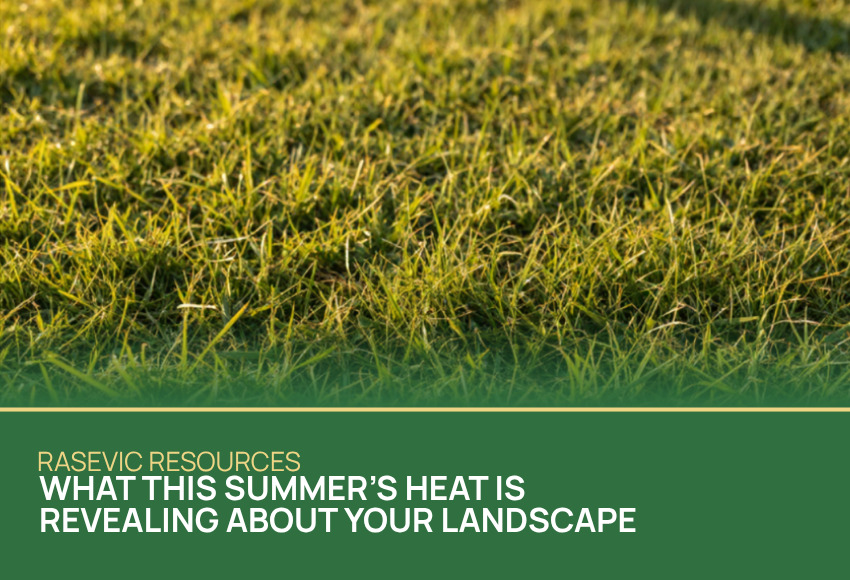
Some properties still look sharp – even color, healthy plant material, no visible stress. Others are showing thin turf, wilting beds or uneven patches that weren’t there a month ago.
The heat isn’t causing those differences. It’s exposing ones that were already there.
Why summer shows what spring hides
Spring is forgiving. Consistent moisture and mild temperatures give irrigation systems, soil and plant material room to compensate for small inefficiencies without anyone noticing.
Summer removes that cushion. Once demand on a landscape goes up, weak irrigation coverage, compacted soil or poorly matched plant material stop being minor issues and start showing up on the surface.
That’s not a reason for concern. It’s useful information – this is one of the few times of year when a landscape’s real performance is easy to see.
A few things worth keeping an eye on
You don’t need a full evaluation to catch early signs. A few minutes of walking the property can tell you a lot:
- Turf that’s fading faster than the area around it: often points to an irrigation coverage gap rather than a heat problem.
- Plants that wilt even after regular watering: worth checking whether it’s a watering issue or a plant simply not suited to that spot’s sun exposure.
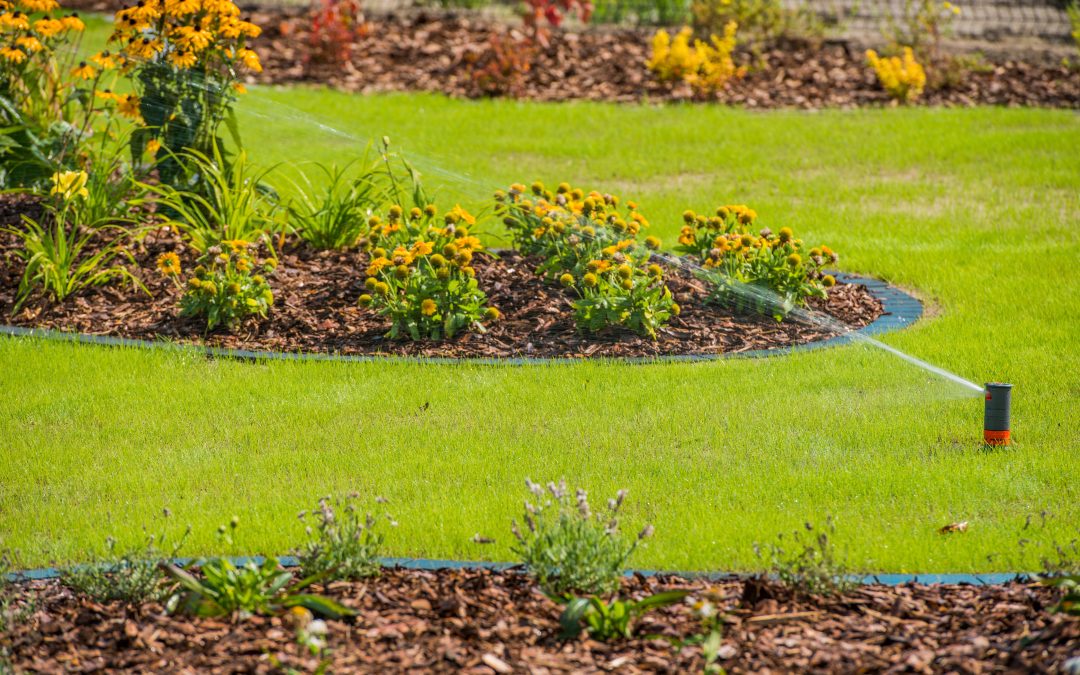
- Uneven irrigation zones: run each zone for a few minutes and watch where the water actually lands versus where it’s supposed to.
- Thinning mulch: if soil is visible through the mulch, it’s likely drying out faster than it should; 2-3 inches of depth helps retain moisture.
- Recently planted trees or shrubs showing stress: new plantings have shallower root systems and typically need more frequent, deeper watering through their first couple of seasons.
None of these need to be fixed overnight. They’re just worth noting now, while the heat makes them easy to spot.
Performance, not just appearance
For estates, commercial properties, HOAs and government facilities, the goal isn’t just staying green through August. It’s consistency – a landscape that holds up under stress typically needs fewer corrective repairs later and holds its value better year-round.
The properties that perform well year after year usually aren’t the ones with the newest installations. They’re the ones that get looked at regularly, including during the stretches when it would be easiest to just wait it out.
If you’re noticing something worth a second look
If this summer’s heat has turned up a few areas worth watching on your property, a mid-season walk-through is a low-lift way to get ahead of it before small issues turn into bigger ones later in the season.
RASEVIC’s team evaluates irrigation performance, turf health, soil conditions and plant material together, so you know which of these observations are worth acting on now versus just keeping an eye on.