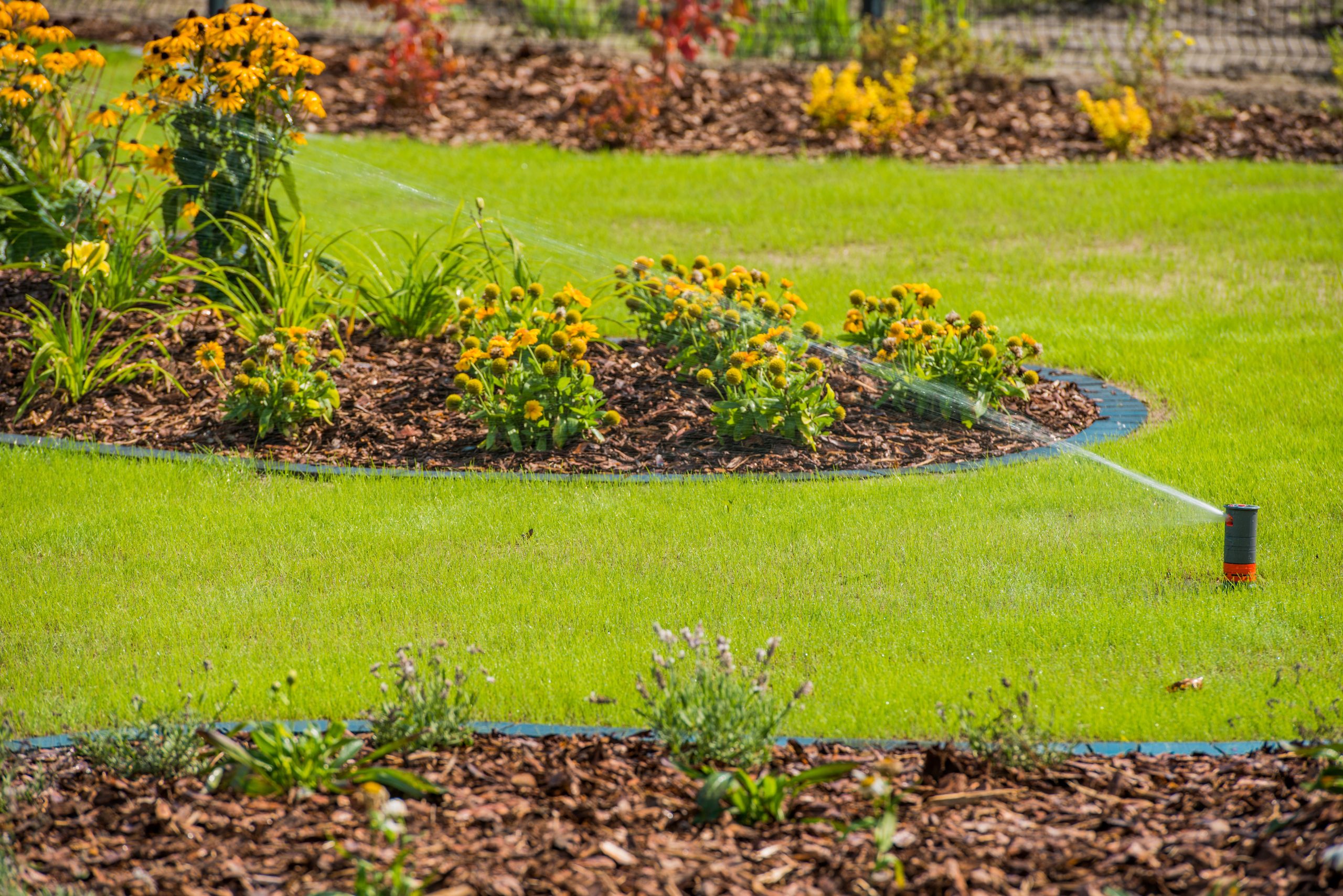
Across the DMV, September is prime time for aeration and overseeding because lawns still have warm soil to support germination, cooler air to reduce stress, and a narrowing window before fall gives way to winter.
Homeowners are trying to repair summer damage. Property managers are looking ahead to next spring. Landscapes stressed by heat, drought, foot traffic, and everyday wear are getting attention now, while conditions still support recovery.
Most of the conversation focuses on seed.
What type should you use? How much should you apply? When should the work be done?
Those are all important questions.
But there’s another one that doesn’t get asked nearly enough:
Will your irrigation system support the new seed once it’s in the ground?
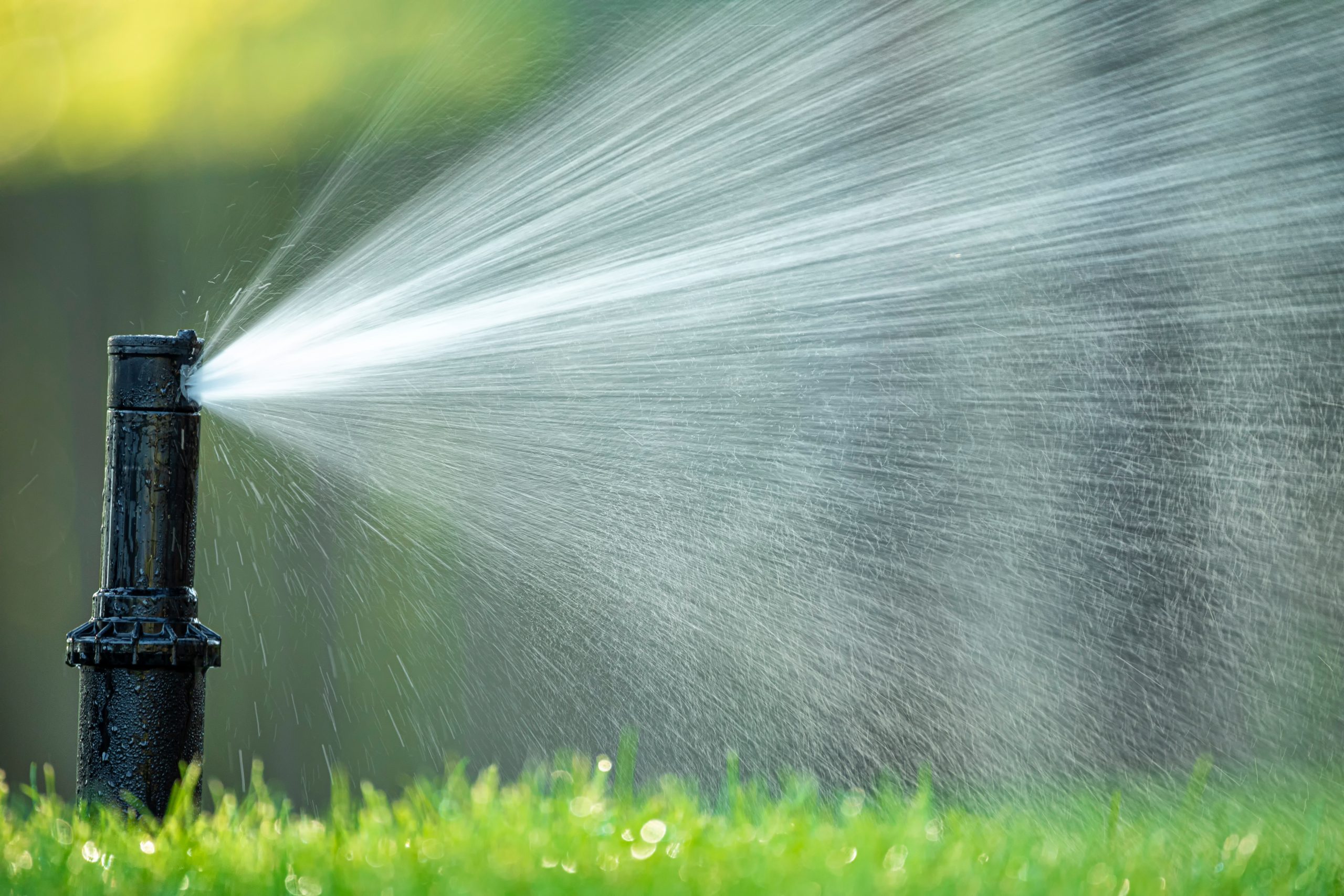
That is where irrigation service moves from a maintenance item to a landscape-performance decision. In September, the right inspection, repair, and controller adjustment can help new seed establish evenly instead of leaving parts of the lawn thin, dry, or patchy.
The Seed Is Only the Beginning
Aeration and overseeding create an opportunity for healthy new turf to develop.
What happens next determines whether that investment pays off.
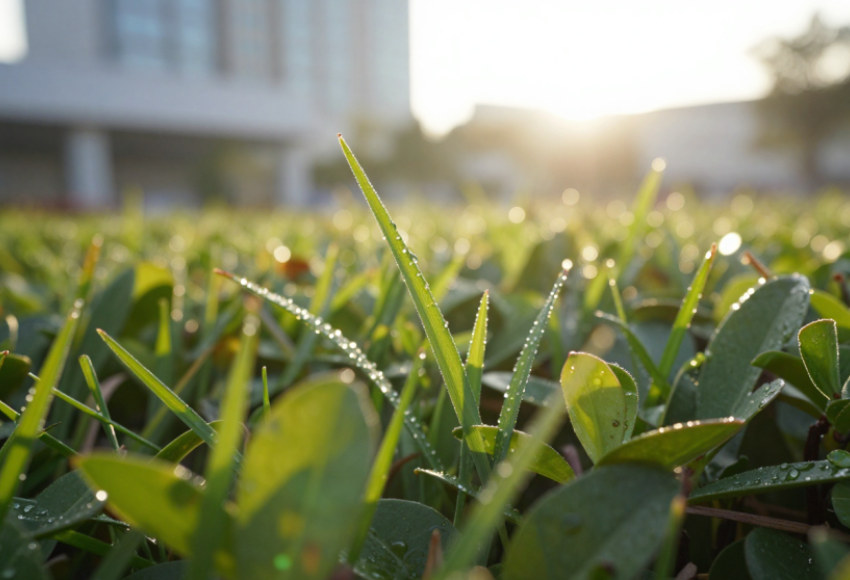
New seed can’t establish if it dries out.
And it won’t matter how good the seed is, how well the lawn was aerated, or how perfect the timing was if certain areas aren’t receiving adequate water.
University of Maryland Extension notes that newly seeded turf needs roughly 1/16 to 1/4 inch of water per application to stay consistently moist during germination. That is a narrow target, and it is very different from the watering pattern most irrigation systems run in July and August. If the system is not adjusted, even a well-timed aeration and overseeding job can struggle to establish evenly.
That’s why irrigation becomes especially important during the weeks immediately following overseeding.
Fall Is the Preferred Time for Overseeding
There’s a reason so much aeration and overseeding work happens across Maryland, Washington, DC and Northern Virginia during September and early October.
Warm soil temperatures help promote germination, while cooler air temperatures reduce stress on young seedlings. Fall-seeded turf also has the remainder of the season and the following spring to continue developing before facing the challenges of summer heat.
For cool-season grasses common throughout the DMV, fall often provides the best opportunity of the year to improve turf density and recover from summer stress.
University of Maryland Extension recommends completing overseeding within a roughly two-month window, from mid-August through mid-October, with soil temperature as the real deciding factor rather than the calendar. New seed also needs about six to eight weeks to establish before a hard frost stops growth for the season, which means the clock on getting irrigation right is shorter than most people realize.
Fall Watering Isn’t Summer Watering
One of the most common mistakes we see is leaving irrigation systems on the same schedule they’ve been running all summer.
Newly seeded areas often need a different approach.
The goal isn’t necessarily to put down more water. It’s to make sure the seedbed stays consistently moist during germination.
That may involve adjusting run times, changing watering frequency, or making controller changes that better support establishment.
Every property is different, which is why a schedule that works on one lawn may not work on another.
Overseeding Has a Way of Exposing Irrigation Problems
A lawn can look perfectly fine all summer and still have irrigation issues.
Once overseeding starts, those issues become easier to spot.
Things like:
- Sprinkler heads that aren’t covering the full area
- Dry spots
- Uneven spray patterns
- Damaged heads
- Controllers that haven’t been adjusted in months
- Zones that aren’t performing properly
These issues can become much more noticeable once new seed is trying to germinate.
And unfortunately, they’re often discovered after the seed has already been applied.
Before You Overseed, Check the System
An irrigation inspection isn’t the most exciting part of a lawn renovation project.
But it might be one of the most important.
Making sure heads are operating properly, coverage is uniform and controllers are programmed correctly can help give new seed the best possible chance to establish before winter arrives.
Did You Know RASEVIC Provides Irrigation Services?
Many people know RASEVIC for landscape maintenance, enhancements, snow services and outdoor living projects.
What some people do not realize is that RASEVIC also provides irrigation inspections, repairs, controller adjustments, troubleshooting, and seasonal service throughout Maryland, Washington, DC and Northern Virginia.
Whether it’s system inspections, repairs, controller adjustments, troubleshooting, or seasonal service, our team can help make sure your irrigation system is supporting the rest of your landscape investment.
The RASEVIC Route
If aeration and overseeding are on your schedule this fall, schedule an irrigation inspection before the seed goes down, before dry spots show up, and before a small coverage issue becomes the reason new turf fails to establish evenly.
A quick review now can help set the stage for stronger establishment this fall and a healthier lawn next spring.
Contact RASEVIC today to schedule an irrigation inspection, repair, or seasonal system adjustment.