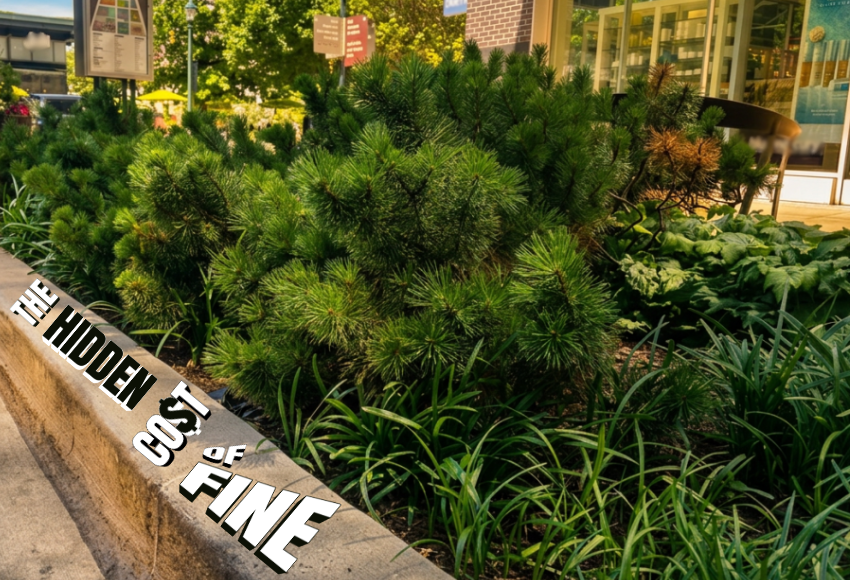
On many properties, the landscape looks fine. The turf is maintained, beds are clean, and plantings are intact, so nothing immediately stands out as a problem.
From a distance, everything appears to be in good shape, and for many properties, that is where the standard sits. But for high-value estates, luxury residential communities, commercial developments and institutional facilities, “fine” is not a neutral position; it is often where decline begins.
“Fine” Is Not a Fixed Condition
Landscapes do not hold steady over time. They either improve or they slowly lose ground, and the challenge is that early decline rarely shows up as a problem. More often, it presents as stability.
It may look like turf that is slightly thinner than it should be, plant material that is surviving but no longer thriving, or irrigation that is functioning without performing efficiently. Nothing appears urgent, but nothing is advancing either, and over time that gap becomes measurable.
Where Decline Actually Begins
The early stages of decline rarely look dramatic. More often, they appear as small shifts in performance that are easy to overlook.
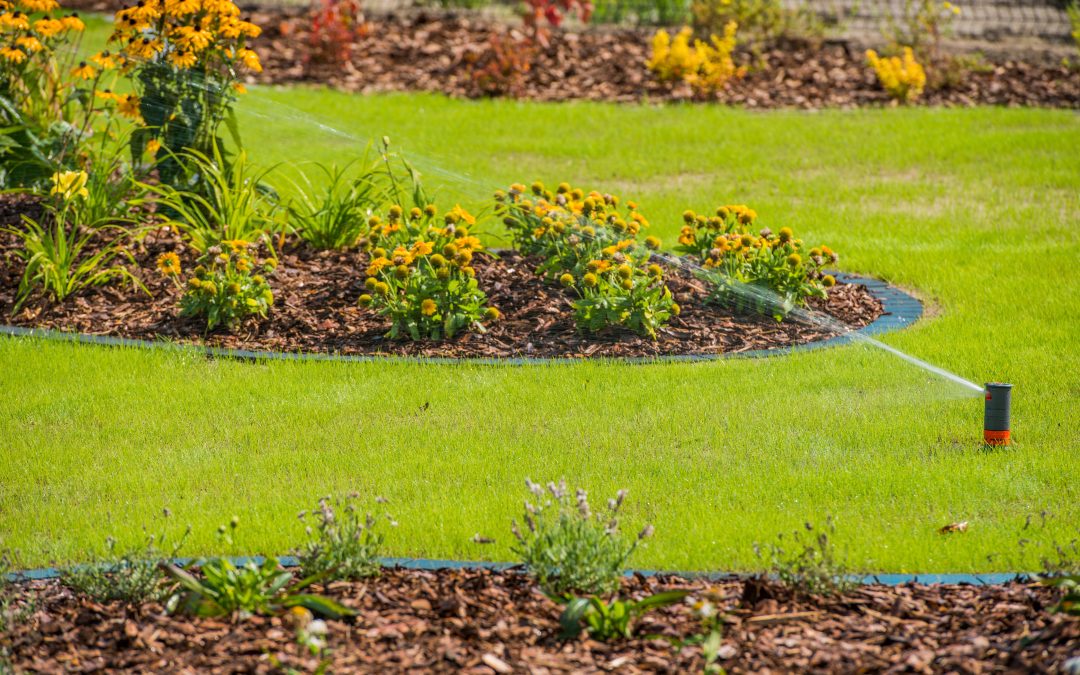
A luxury residential community may still look well-maintained, yet irrigation coverage gaps are creating inconsistent turf quality and unnecessary water use.
A commercial office campus may maintain acceptable curb appeal, but aging plant material requires increasing labor and resources simply to preserve the same appearance.
A private estate may show no visible signs of distress, while compacted soils quietly reduce turf vigor and limit long-term plant health.
None of these issues happen overnight. They develop gradually, with small inefficiencies layering on top of one another until correction requires far more effort than early adjustment would have.
Why It Rarely Gets Addressed Early
There is usually no clear trigger. Nothing appears broken, no complaints rise to the surface and the property continues to meet expectations at a glance, so adjustments get deferred and, in the short term, that often works.
But over a season – or several – those small inefficiencies begin to compound. Turf becomes less consistent. Plant material requires more attention to maintain appearance. Systems become less efficient without delivering better results.
The cost is rarely immediate, but it builds over time.
The Difference Between Appearance and Performance
A landscape can look acceptable and still be underperforming. That distinction becomes most apparent when conditions become more demanding, because heat, usage and seasonal stress do not create issues; they expose them.
Summer is often when hidden performance problems become visible. Irrigation deficiencies, soil compaction, declining root health and stressed plant material may go unnoticed during mild conditions. Extended heat and increased demand reveal those weaknesses quickly.
Properties operating in a “fine” state often begin showing inconsistency from one area to the next.
Properties that are actively managed tend to perform more consistently because adjustments were made before conditions demanded them.
What High-Performing Properties Do Differently
The properties that maintain a consistently high standard do not rely on visual cues alone. They evaluate performance directly and make adjustments before problems become visible.
That may mean refining irrigation coverage, improving soil conditions, adjusting maintenance practices or replacing plant material that is no longer aligned with the site.
Not because something has failed, but because performance has shifted.
And identifying that shift early is what prevents larger corrections later.
Why This Matters for the Asset
For high-value properties, landscape is not just about condition. It influences how a property is perceived, how it competes and how it holds value over time, which means allowing performance to drift even slightly can change that trajectory.
What looks acceptable today can become noticeably inconsistent within a single season. Restoring that performance later often requires significantly more investment than maintaining it proactively from the start.
A Simple Question to Ask
When a property looks “fine,” the question is not whether anything is wrong. The real question is whether it is performing at the level it should, given the value of the asset, because those are not the same standard.
The Rasevic Approach
At Rasevic, the focus is not limited to maintaining appearance. It is understanding how a landscape should perform and making the adjustments that keep it there. That means identifying where performance is beginning to slip, where systems can be improved, and where proactive changes will have the greatest long-term impact.
Because the most expensive landscape problems rarely begin as problems. They begin as “fine.”
For high-value properties, the right time to evaluate performance is usually before anything looks wrong.