Why high-value properties need more than routine landscape maintenance to preserve performance, presentation and long-term value.
For properties that represent significant capital – private estates, luxury residential communities, commercial mixed-use developments and federal facilities – landscaping is not simply a maintenance function. It is an active component of asset management.
The distinction matters more than most owners and managers realize.
Maintenance sustains a property’s current condition. Enhancement improves how it performs over time.
These are not variations of the same service. They produce fundamentally different outcomes – and for high-value assets, the gap between them compounds year over year.
What Maintenance Accomplishes – and Where It Ends
A well-executed maintenance program is non-negotiable. Without it, landscapes decline rapidly, safety and accessibility are compromised, and the visual presentation of the property suffers.
Standard maintenance services – turf care, pruning, seasonal cleanup, weed management, bed definition – form the foundation of any responsible landscape program. They are essential. But their role is to preserve existing conditions, not to improve them.
A property can be exceptionally well-maintained and still underperform.
Landscapes that receive only routine maintenance tend to:
- Look orderly, but lack the visual weight and presence expected at the property’s level
- Survive seasonal stress rather than perform through it
- Remain static while surrounding properties continue to invest and evolve
- Develop inefficiencies – in irrigation, drainage, and plant selection – that quietly increase long-term operating costs
Nothing may appear to be failing. But nothing is advancing either. And for a high-value asset, standing still is where problems start.
What Property Enhancement Does Differently
Enhancement introduces strategy alongside execution. Most properties receive consistent maintenance. Very few are managed with a strategy that actually improves performance over time.
Rather than asking “Is everything being maintained?”, it asks: “Is this property performing at the level it should – and what needs to change to get it there?”
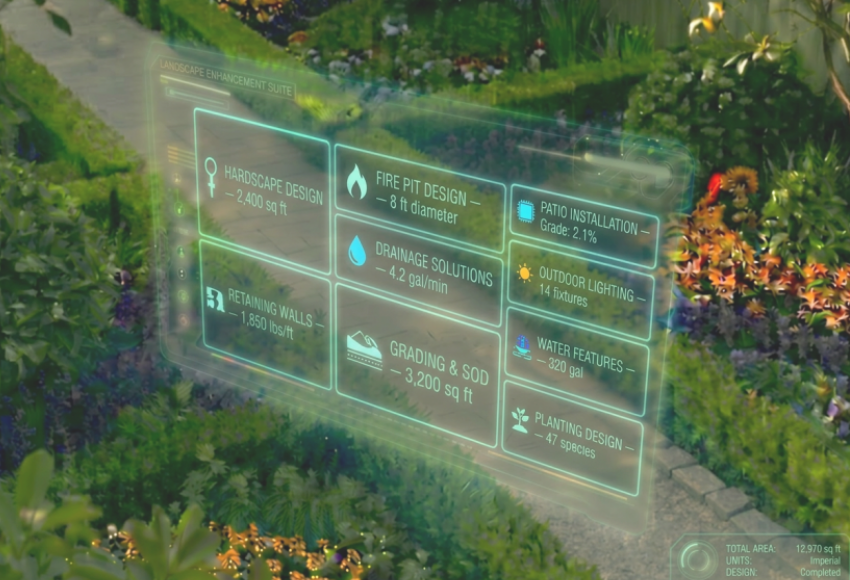
Strategic enhancements typically include:
- Replacing underperforming plant material with species better suited to site conditions
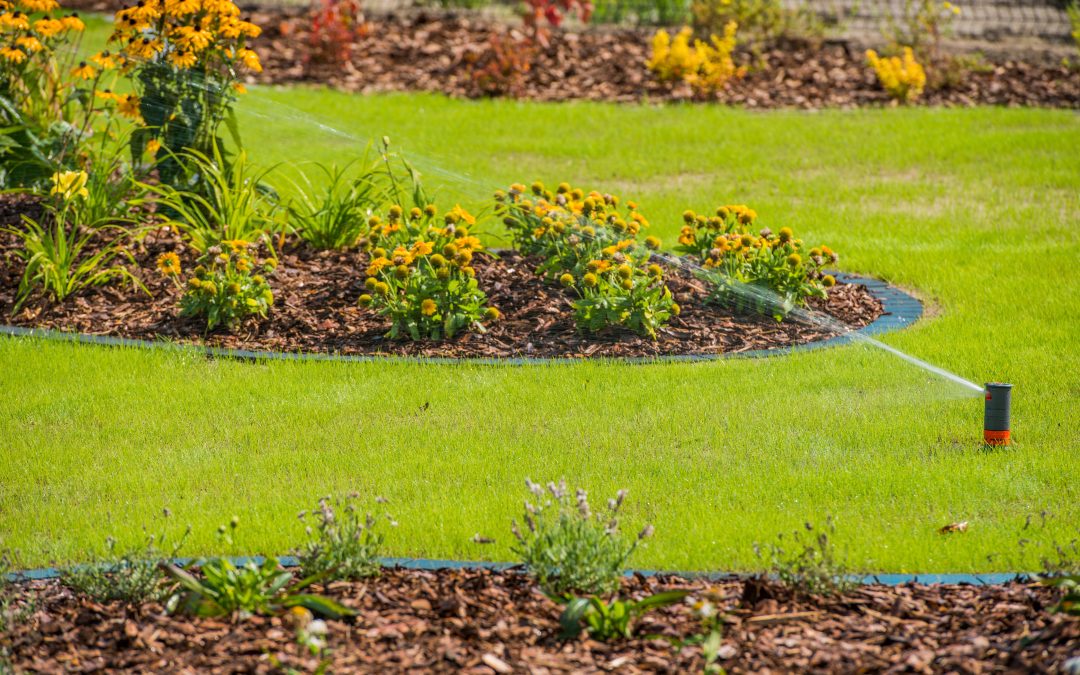
- Upgrading irrigation systems to reduce waste, improve coverage and lower utility costs
- Renovating bed structures to strengthen visual cohesion and long-term plant health
- Correcting drainage deficiencies that erode turf, compromise plantings and accelerate hardscape deterioration
- Implementing seasonal rotations that maintain a polished, high-end appearance year-round
These are not cosmetic adjustments. They are capital decisions with measurable returns – in curb appeal, operational efficiency, tenant and resident experience and long-term asset protection.

Why It Matters by Property Type
Private Estates and Luxury Residential Communities
For high-net-worth homeowners and HOA boards managing premium communities, the landscape is a direct expression of the asset’s value. Deferred enhancement – even on a well-maintained property – gradually erodes the visual standard that justifies the property’s positioning. Strategic landscape investment protects that standard and supports long-term appreciation.
Commercial Mixed-Use Developments
First impressions drive foot traffic, tenant retention, and leasing decisions. A landscape that merely holds its condition is a passive asset. One that is actively enhanced becomes a competitive differentiator – signaling to tenants, customers, and investors that the property is well-managed and forward-looking.
Federal and Government Facilities
Government properties operate under specific performance expectations around safety, accessibility and visual standards that reflect institutional credibility. Strategic landscape management ensures facilities meet those standards consistently, while also identifying opportunities to reduce long-term maintenance costs through smarter plant selection, efficient irrigation and proactive problem resolution.
The Long-Term Financial Case
Property enhancement is sometimes categorized as discretionary spending. In practice, strategic enhancements frequently reduce long-term costs by:
- Improving irrigation efficiency and lowering utility spend
- Extending plant life cycles and reducing replacement frequency
- Addressing drainage and structural issues before they require significant capital repair
- Minimizing reactive service calls through proactive identification and correction
The result is a landscape that performs more predictably, requires fewer emergency interventions and protects the asset’s value over time – not just its current appearance.
The Question Worth Asking
Whether you oversee a private estate, a luxury residential community, a commercial development or a federal facility, the question is straightforward:
Is your landscape being maintained – or actively managed as part of the asset?
The answer determines whether the property holds its position over time – or quietly falls behind.
The Rasevic Approach
At Rasevic, maintenance is the baseline. The objective is performance.
Every property we manage is evaluated through the lens of long-term asset value: where the landscape is underperforming, what targeted investments will create the greatest impact, what issues are developing before they become visible and how to align the landscape program with the property’s overall goals.
For owners, managers, boards and facility directors who hold themselves to a higher standard, that is the difference between a vendor and a partner.
Contact Rasevic to schedule a property consultation. We work with high-value residential estates, luxury condominium communities, commercial mixed-use developments and federal facilities to evaluate landscape performance and identify opportunities to strengthen presentation, efficiency and long-term value.