The summer of 2026 was tough on landscapes across Maryland, Northern Virginia and Washington, DC. Between prolonged high temperatures, drought conditions and inconsistent rainfall, many commercial properties, HOAs, office campuses and residential communities are entering fall with stressed turf, struggling plant material and deferred landscape repairs.
If your property is showing those signs, the next few weeks offer an important window for recovery.
Fall is the landscape’s second chance. But the deadline isn’t Thanksgiving and it isn’t simply “before it gets cold.” It’s what’s happening in the soil.
The Ground Runs on Its Own Clock
A sunny 60-degree afternoon in November feels like perfect planting weather, but roots respond to soil temperature, not how it feels outside.
In fall, the air cools first and the soil holds its warmth much longer. That gap is the opportunity: plants are no longer fighting heat and water stress above ground, so they can direct their energy into root development below it.
It’s also why the cool-season grasses common throughout the Mid-Atlantic put on some of their best growth during spring and fall. Turf recovery efforts such as aeration, overseeding and sod installation are typically most successful during this period. (If aeration and overseeding are on your list, read our recent post on how your irrigation system can decide whether that work succeeds: [link].)
First frost in the region typically arrives sometime between mid-October and mid-November, depending on location. Frost doesn’t end root growth by itself, but the seasonal decline in soil temperature gradually slows establishment. Installing in October generally gives plants more time to begin developing roots before winter than later installations do.
Roots that have started to establish handle winter better and are ready to grow as soon as spring arrives.
Start with an Honest Assessment of the Damage
The hardest part of a stressed landscape is that not all of the damage shows up at once. Summer stress can continue to surface as conditions change, so a walk-through now is worth more than assuming the property came through fine.
Before deciding what to fix, look for:
Turf
- Thinning areas
- Bare patches
- Sections that browned during the drought and never recovered
- Compacted soil
- Weak irrigation coverage
Shrubs and Trees
- Leaf scorch
- Tip dieback
- Early leaf drop
- Dead limbs
- Declining plant health
Heat- and drought-stressed trees can carry problems into winter that may not become obvious until spring.
Planting Beds
- Gaps where plants failed
- Sparse or uneven appearance
- Areas overtaken by weeds
- Diminished seasonal color
Irrigation
- Dry spots
- Overspray
- Broken heads
- Inefficient watering zones
This is where fall work pays off. Overseeding, sod and replacement plantings all go in under cooler, more forgiving conditions and a property that looks patchy in October can look dramatically better by spring.
Landscape Projects Take Longer to Start Than You Think
Design approvals, material orders, nursery availability, crew scheduling and site preparation all take time before work begins. A project you start planning in late October may not break ground until after the first hard freeze, when grading and planting conditions decline and weather delays become more common. Sod installations, tree planting, renovations and drainage projects are especially sensitive to timing.
There’s also a scheduling reality: October is peak booking season. Commercial properties are closing out the year, HOAs are finishing budgeted improvements and owners everywhere are trying to complete work before winter arrives. Quality contractors often fill their schedules weeks in advance, so the longer you wait, the fewer options remain, even if the weather still cooperates.
“I’ll get to it next month” has a way of becoming “we’ll wait until spring.”
Fix Drainage Before Winter Finds It
Standing water, erosion and muddy areas don’t resolve themselves. In fact, winter often makes them worse.
When water sits in soil or pavement joints and then freezes, it expands. Over time, this can shift edging, undermine hardscape features, damage turf and turn small drainage concerns into much larger repair projects.
Fall is an ideal time to address these issues because the ground remains workable and improvements can be tested before winter weather arrives. Common solutions include:
- Regrading low areas
- Swale improvements
- Catch basin repairs
- Erosion control measures
- Downspout extensions and water redirection
Addressing drainage now means your property enters winter and eventually spring rains, with fewer surprises.
Send the Property into Winter in Good Shape
Landscapes that go dormant healthy generally come back stronger. A fall winter-prep plan often includes:
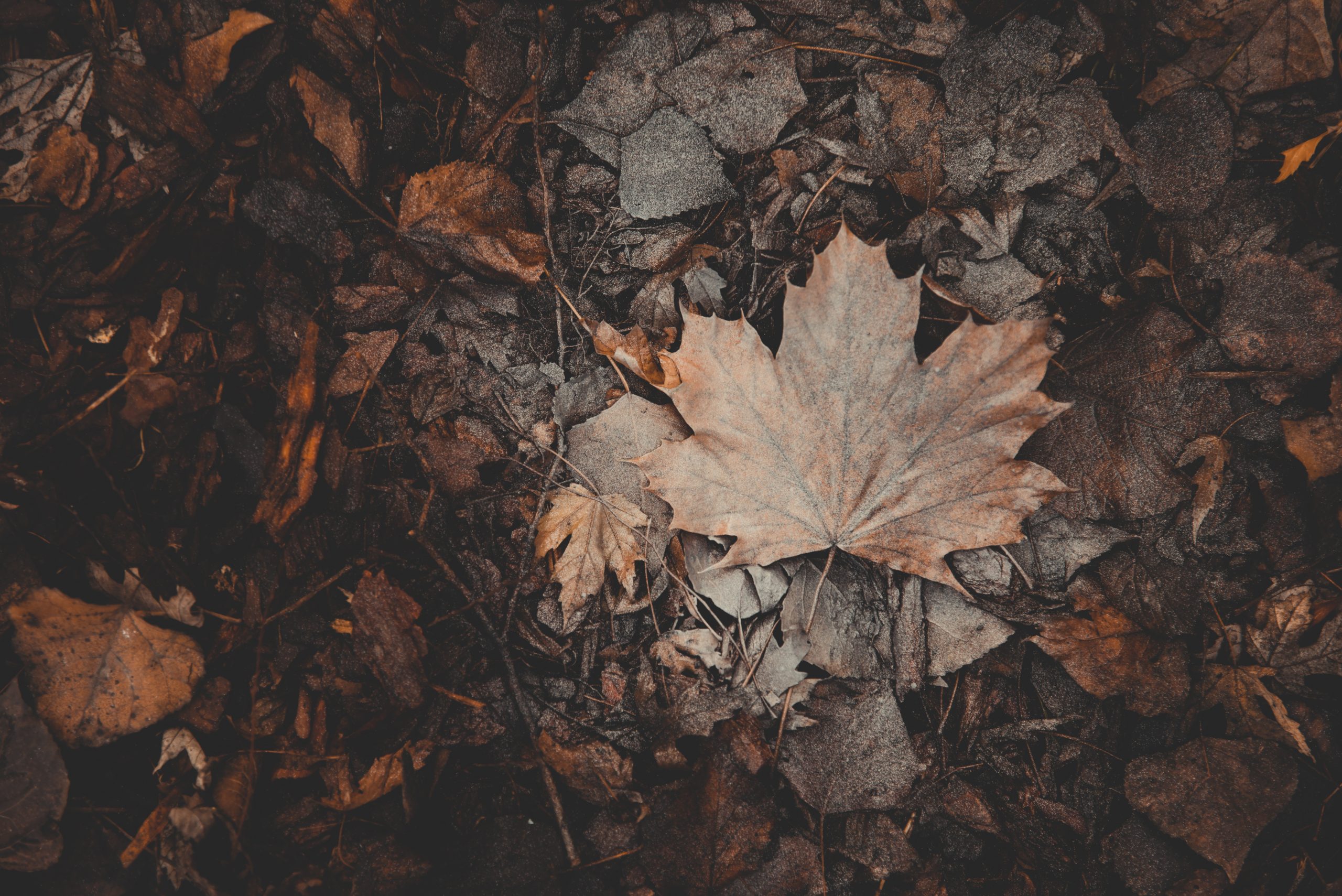
Leaf Management: Heavy leaf cover can smother turf, block sunlight and create moisture issues. Timely cleanup protects lawn areas as they move toward dormancy.
Tree Inspections: Especially important this year. Trees weakened by heat and drought may have dead or compromised limbs that become hazards during winter storms.
Dormant-Season Pruning: Removing damaged material and shaping plants while growth slows can improve appearance and long-term health.
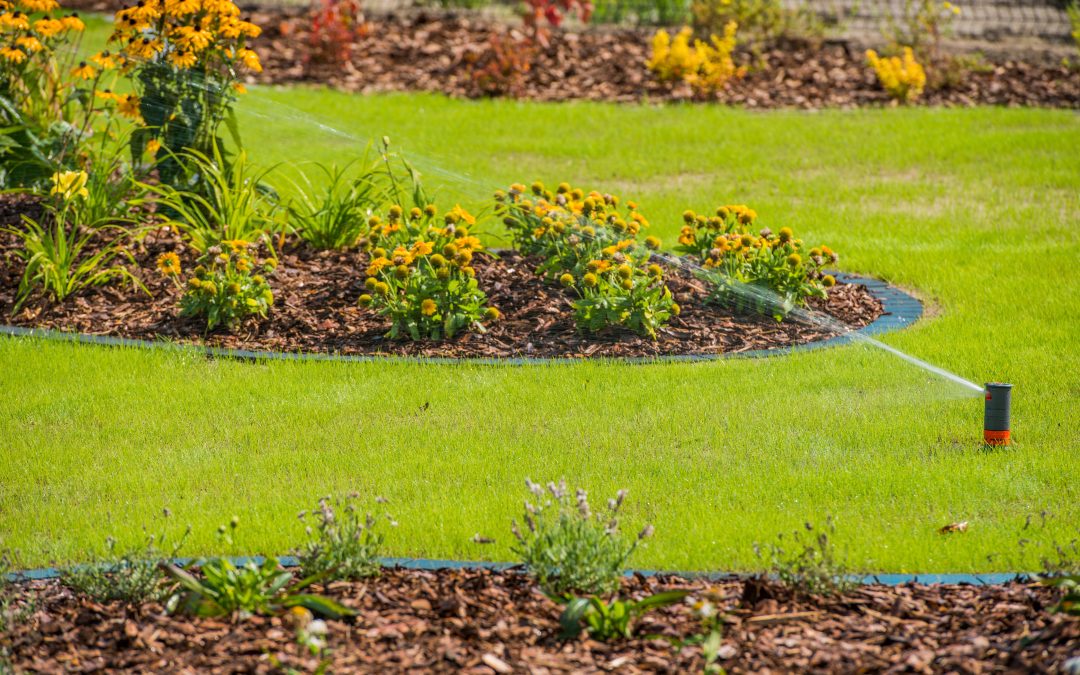
Irrigation Winterization: Clearing water from irrigation systems before freezing temperatures arrive helps prevent costly repairs and spring startup issues.
Turf Strengthening: Fall treatments help lawns store energy, recover from summer stress and prepare for healthy spring growth.
None of these services are flashy, but they’re often the difference between a spring that starts with growth and one that starts with repairs.
Acting Now Pays Off Twice
Work completed this fall has time to begin establishing before spring growth starts, meaning your investment is already working while others are still getting on a contractor’s schedule. It also helps you avoid the spring rush, when demand increases, availability tightens and weather delays stack up.
For property managers, fall is also a practical time to put any remaining year-end budget toward deferred maintenance and improvements, with clearly defined priorities instead of rushed projects. Common fall projects include landscape and bed renovations, tree and shrub replacement, seasonal color, drainage improvements, irrigation upgrades and entrance enhancements.
October is the best window, not the only one. Many projects can still be completed into November, but the margin for success shrinks as soil cools, daylight shortens and delays multiply. The properties that get the most out of fall are the ones that decide early.
Book Your Fall Property Walk
Not sure what your property needs after this summer? Our team will walk the site with you, identify what is worth addressing now and what can wait and recommend a plan that fits your goals, schedule and budget.
Request your complimentary fall consultation at https://rasevic.com/landscape-consultation/ or call 301-986-6900.
Proudly serving commercial and residential properties throughout Maryland, Washington, DC and Northern Virginia.