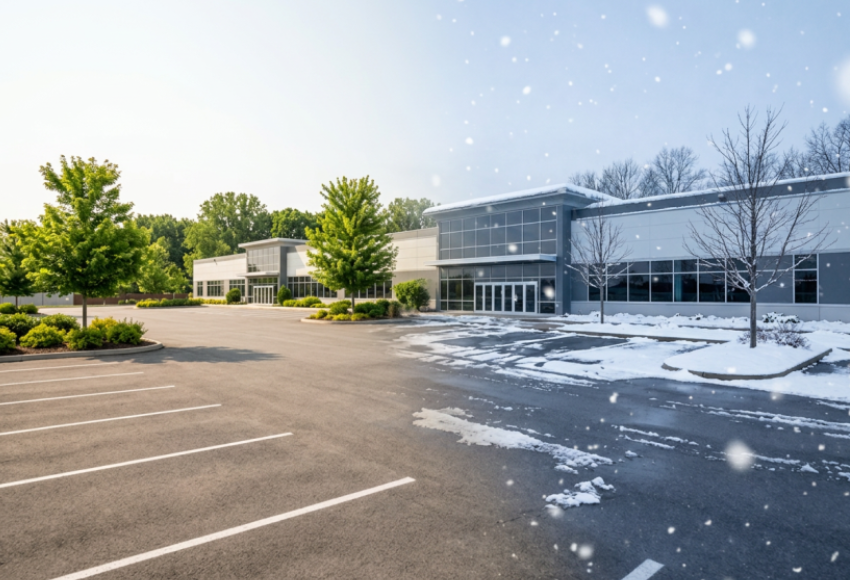
The DMV hadn’t seen a winter like this in nearly two years. Multiple storms back-to-back, freeze–thaw cycles that kept resetting the clock, sleet transitions mid-event and cold snaps long enough to test every part of a provider’s operation.
For zero-tolerance properties – federal campuses, CRE portfolios, industrial sites and mission-critical facilities – this season highlighted a simple reality:
Some providers are built for demanding environments. Others are built for average winters.
If your properties stayed smooth and predictable, your provider delivered. If you spent the season chasing updates, watching the same areas refreeze, or wondering whether crews were actually on-site, it’s worth reviewing now – not in October.
Here are the questions that matter while everything is still fresh.
Were priority areas handled before they became issues?
Showing up is one thing. Showing up prepared is another.
Zero‑tolerance operations rely on:
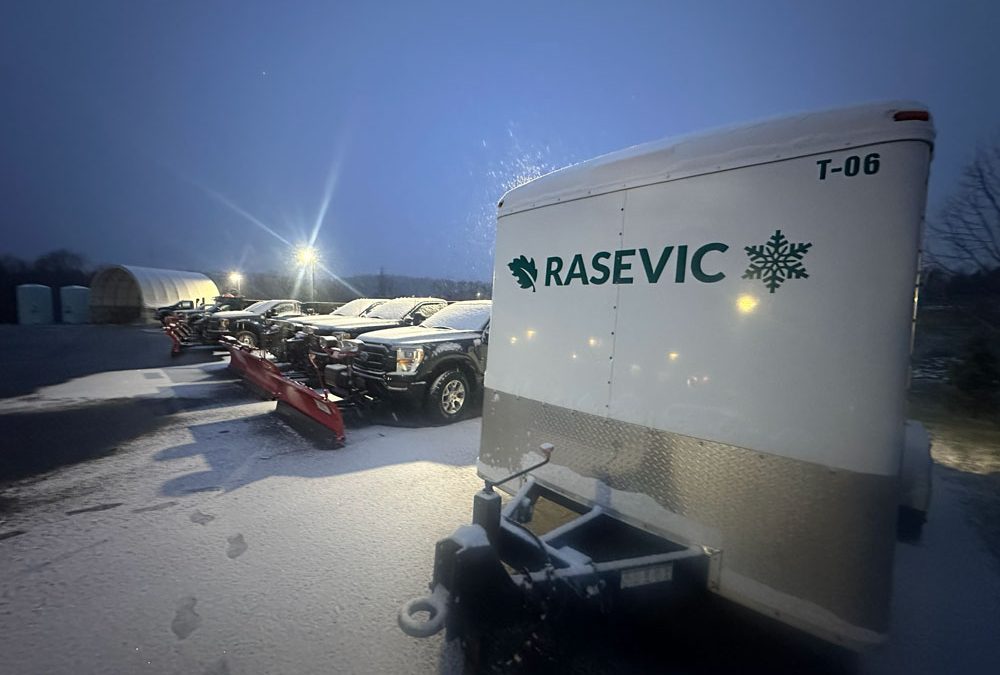
- Staged equipment
- Pre‑mapped risk zones
- Site‑specific pretreatment
- Crews who know the property layout
If the same areas caused problems storm after storm, your provider wasn’t managing the site – they were rediscovering it.
That’s not proactive. And it’s not zero‑tolerance.
How did they perform when conditions were toughest?
This winter’s most challenging moments – rapid accumulation, overnight refreezes, back-to-back events – are where operational depth becomes obvious.
Ask yourself:
- Did they stay on pace when the region was busy
- Did response times remain steady
- Did they have equipment, materials, and staffing ready to go
These aren’t things you can assemble mid‑storm. Providers either have the infrastructure in place, or they don’t.
Was the service actually built for your property?
Zero‑tolerance properties aren’t standard. They require:
- Faster triggers
- Higher service frequency
- Detailed site plans
- Familiar crews
- A provider who understands the operational rhythm of the site
If the service felt generic, it probably wasn’t designed for your environment.
Zero‑tolerance isn’t a slogan. It’s a way of operating.
Now you have the answers…What to do with them?
The period right after the season ends is the best time to strengthen your winter program.
Everything is still clear:
- Site plans
- Service triggers
- Communication expectations
- Risk maps
- Equipment staging strategies
This is when adjustments are easiest and most effective.
If this winter revealed areas to improve, RASEVIC Snow is built for properties that expect consistency, readiness and a proactive approach – not a reactive one.
Zero‑tolerance properties work best with zero‑tolerance providers. That’s the standard we operate at every storm. At RASEVIC Snow we are open 24/7 before, during + after every storm. We keep you open.