Strategic improvements for owners, asset managers and property managers
For commercial properties, landscape is rarely just aesthetic. It affects first impressions, tenant satisfaction, safety, operating costs and long‑term asset value. Whether the property is office, mixed‑use, retail, or institutional, the exterior environment plays a direct role in how the site performs.
Industry research and market experience show that well‑planned landscape improvements – especially those that support visibility, functionality and maintenance efficiency – can significantly strengthen a property’s position, while poorly planned upgrades often add cost without improving performance.
On larger commercial sites, these decisions compound quickly, influencing not only appearance, but lifecycle cost, risk exposure and ease of management.
Below are five landscape upgrades that consistently deliver value across high‑performing commercial properties.
1. A Comprehensive Landscape Master Plan
Commercial sites benefit most from clarity. A master plan establishes how the landscape supports circulation, tenant access, service areas, stormwater and long‑term maintenance – before capital dollars are committed.
Rather than reacting to isolated issues year‑to‑year, a master plan aligns improvements with leasing goals, capital budgets and operational realities.
Why it matters
- Creates a unified, intentional site appearance
- Helps prioritize capital improvements and prevent rework
- Supports long‑term budgeting and phased implementation
Pro tip: A good master plan is not overly decorative – it’s practical, phased and maintenance‑aware.
2. Strong Site Circulation, Hardscape and Entrances
For commercial assets, how people move through the property often matters more than ornamental detail. Clear vehicular circulation, durable walkways, defined entrances and accessible routes support safety, wayfinding and tenant satisfaction.
In many cases, upgrading hardscape delivers more measurable value than adding new beds or plantings.
Why it matters
- Improves pedestrian and vehicle safety
- Enhances first impressions for tenants, visitors and clients
- Reduces liability exposure tied to trips, falls and confusion
Pro tip: Durable materials, proper grading and clear hierarchy of paths outperform decorative upgrades over time.
3. Professional Landscape Lighting Focused on Safety and Visibility
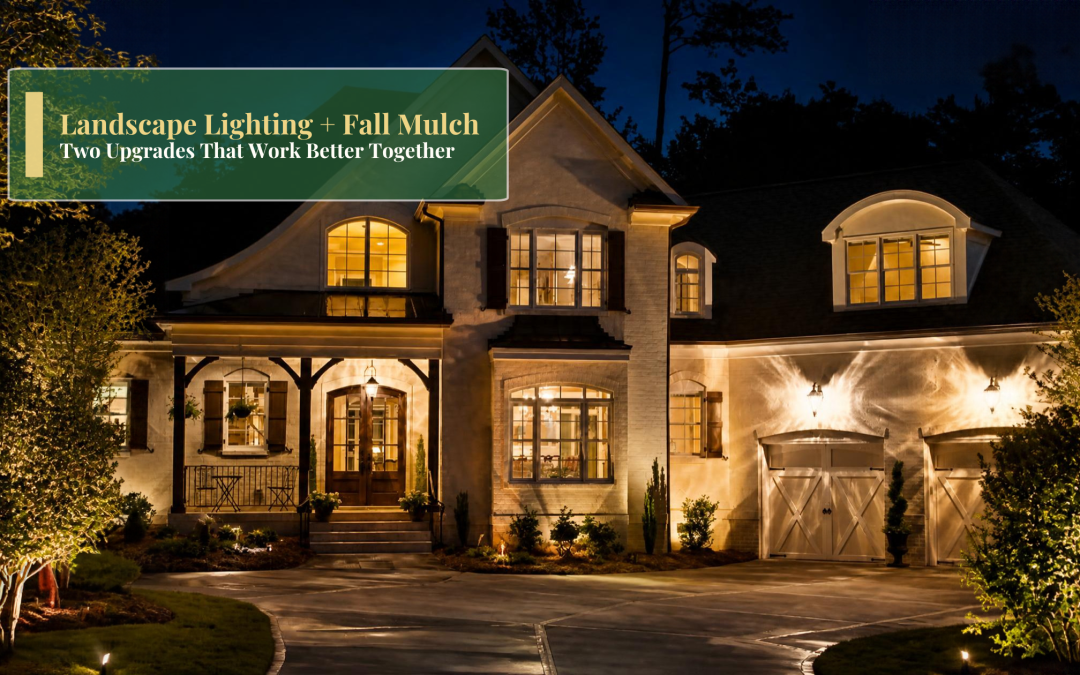
In commercial environments, lighting is about more than appearance – it’s about security, navigation and liability reduction. Well‑designed landscape lighting improves visibility at entries, walkways and parking interfaces while supporting after‑hours use.
When done correctly, lighting enhances the site without increasing glare or energy waste.
Why it matters
- Improves safety and perceived security
- Extends functional hours of common areas
- Highlights entrances and key site features
Pro tip: Emphasize consistency, cut‑off control and maintenance access over dramatic effects.
4. Smart Irrigation, Drainage and Water Management
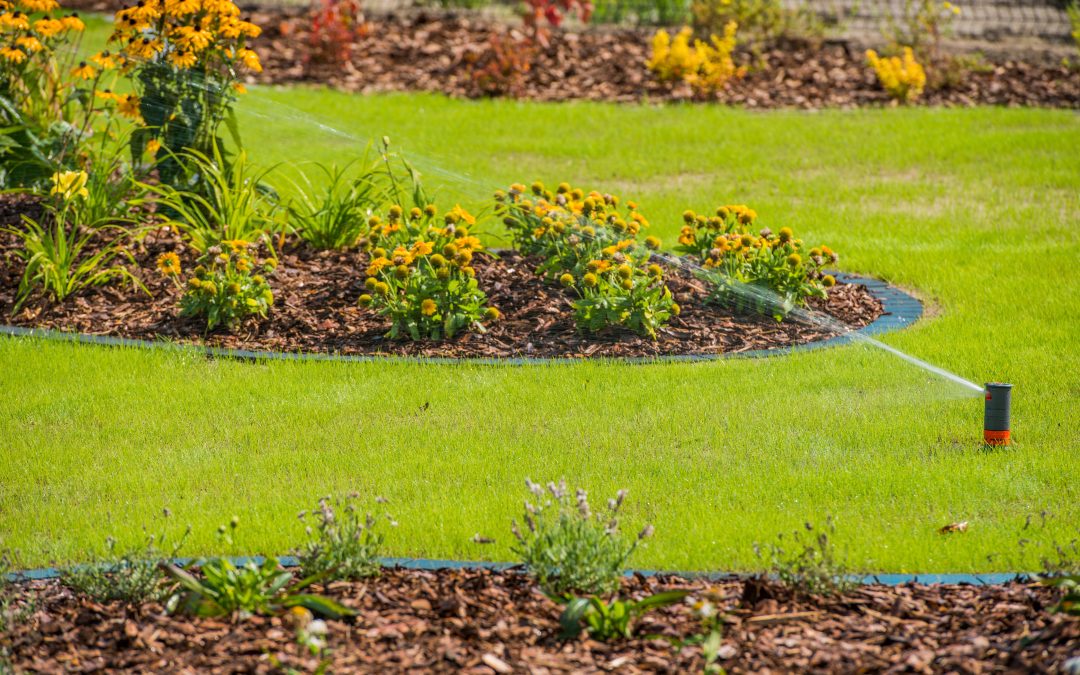
Water is one of the most common – and costly – long‑term issues on commercial properties. Effective systems combine zoned irrigation, weather‑based controls and proper drainage to protect plantings, hardscape and buildings.
Poor water management leads to landscape failure, pavement damage and avoidable service calls.
Why it matters
- Reduces water waste and operating expense
- Protects infrastructure and plant investment
- Supports documentation for inspections, audits and ownership transitions
Pro tip: Keep as‑builts, controller data and service records accessible – they matter to owners and buyers.
5. Consistent, Standard‑Driven Landscape Maintenance
For commercial assets, landscape maintenance is about predictability and control. Clean edges, consistent pruning and disciplined turf and bed management directly influence how tenants and visitors perceive the property.
Just as important, consistent maintenance prevents deferred issues from turning into capital‑level corrections.
Why it matters
- Preserves the original landscape investment
- Reduces emergency repairs and replacements
- Maintains a professional, tenant‑ready appearance
Pro tip: Ask about pruning standards, inspection protocols and seasonal detail work – not just visit frequency.
Bottom line
Commercial landscapes perform best when they’re planned, purposeful and easy to manage. When circulation is clear, systems work properly and maintenance is consistent, the property presents itself as a well‑run asset – not a reactive one.
Final Thought + Next Step
Strong commercial landscapes don’t happen by coincidence. They follow a clear sequence: plan first, systems second, experience last. That order controls cost, reduces risk and improves long‑term performance.
If you own or manage commercial property in Washington, DC, Maryland, or Northern Virginia, we help align landscape decisions with asset strategy, capital planning and ongoing operations.
Start here
📧 gardens@rasevic.com
📞 301‑986‑6900