
Ice Control
Refreeze Prevention & Surface Stabilization
When snowfall ends, surface conditions continue to evolve.
At RASEVIC Snow Services, Ice Control is the final phase of After the Storm operations. It focuses on preventing refreeze, stabilizing surface conditions, and maintaining consistent access as temperatures fluctuate across Maryland, Washington, DC, and Northern Virginia.
This phase ensures that once your property is cleared, it remains stable and functional as post-storm conditions continue to change.
The Purpose of Ice Control
Ice Control is not a supplemental service.
It is a dedicated post-storm management phase designed to maintain consistent surface performance after active snowfall ends.
This includes:
- Refreeze Prevention: Proactive treatment of surfaces where melting and refreezing conditions are likely to occur
- Black Ice Reduction: Focused attention on areas where ice can form without visible accumulation
- Surface Stabilization: Maintaining consistent traction and accessibility across vehicle and pedestrian routes
- Residual Moisture Management: Addressing meltwater, compaction runoff, and temperature-driven refreezing cycles
The objective is straightforward: maintain stable surface conditions as post-storm weather patterns evolve.
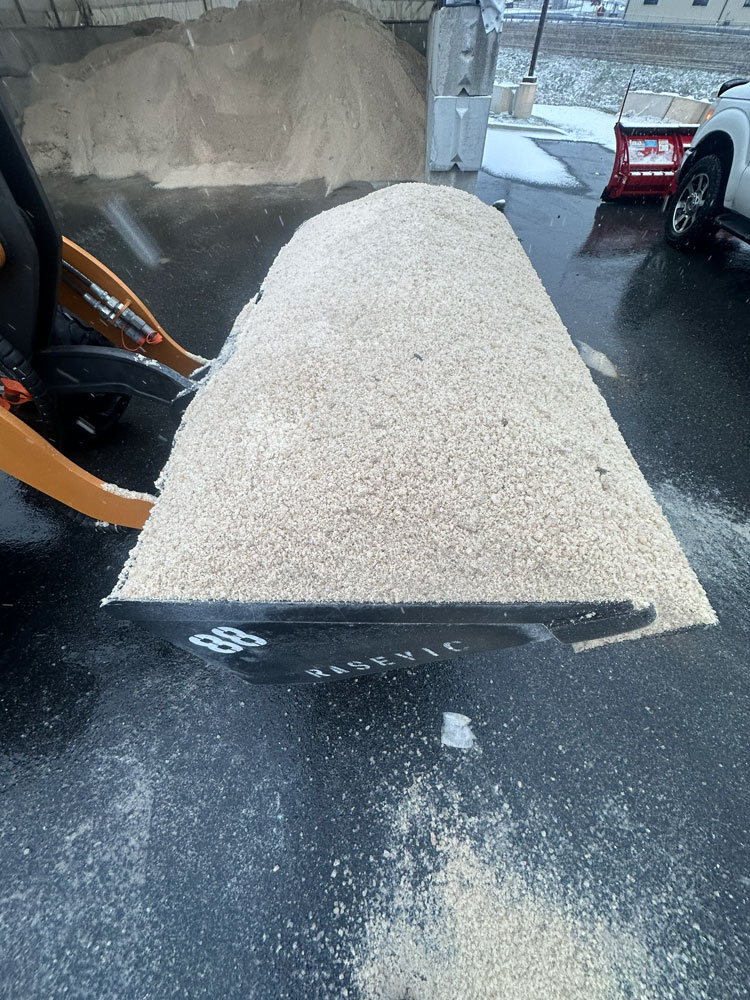
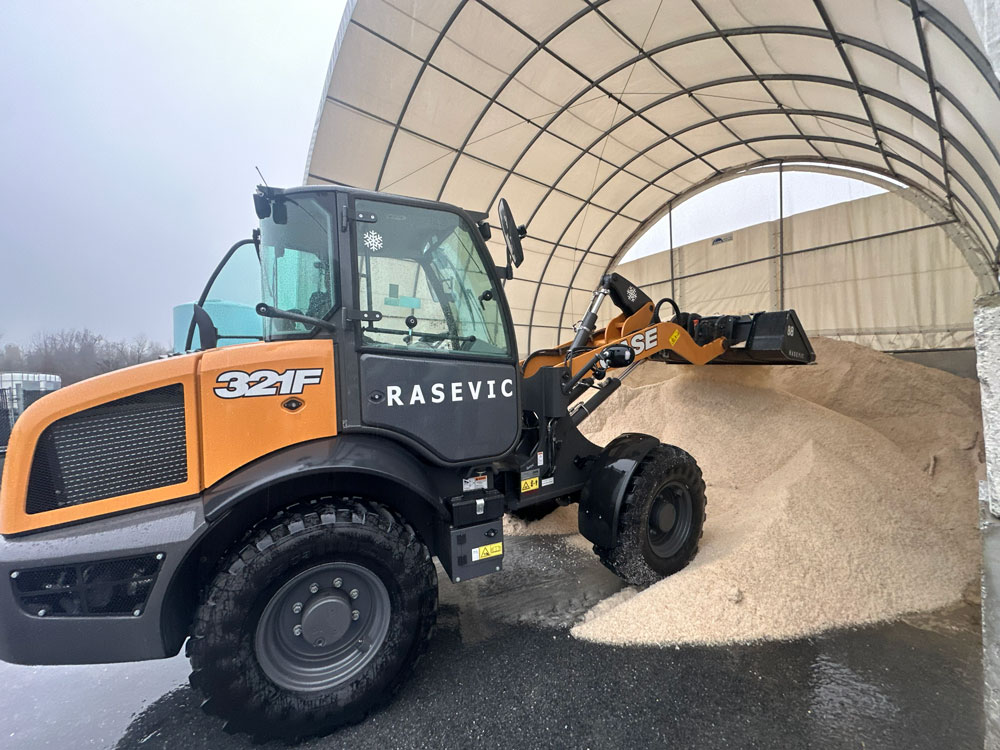
Post-Storm Surface Environment
Surface conditions often shift rapidly after snowfall has ended.
As temperatures fluctuate, previously cleared areas can transition due to:
- Daytime warming and surface melt
- Overnight temperature drops
- Compacted snow transitioning into ice layers
- Drainage limitations creating pooled moisture
Ice Control is designed specifically to manage this post-storm transition period.
Treatment Strategy & Execution
Ice Control is delivered through a structured, site-specific approach based on observed surface behavior and environmental conditions.
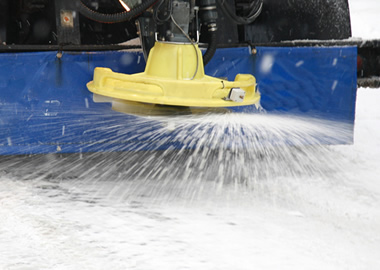
- Targeted De-Icing Applications: Strategic use of liquid and granular treatments across identified priority zones
- Preemptive Surface Conditioning: Applications in areas known to experience refreeze based on drainage, shade, and traffic patterns
- High-Traffic Priority Zones: Focused treatment of entrances, walkways, loading docks, and primary circulation routes
- Continuous Monitoring: Ongoing reassessment of conditions to respond to temperature shifts and evolving surface behavior
All applications are guided by real-time environmental awareness rather than fixed schedules or blanket coverage.
Integration With Site Clean-Up
Ice Control is directly connected to Site Clean-Up operations.
Once physical snow removal is complete, Ice Control ensures that:
- Cleared surfaces remain stable as temperatures fluctuate
- Newly exposed pavement is managed through refreeze cycles
- Residual moisture does not impact access or traction
Together, these phases complete the After the Storm system:
Recovery → Stabilization → Ongoing Surface Management
Who This Phase Is Built For
Ice Control is essential for properties where consistent access and uninterrupted operation are required after winter events:
- Commercial office campuses and retail centers
- Industrial and logistics facilities
- Healthcare and emergency environments
- Government and federal properties
These sites require controlled surface conditions beyond initial clearing.
The Result
Your property remains stable, accessible, and operational long after snowfall has ended.
Surface conditions are continuously monitored, refreeze is actively managed, and access is maintained as weather patterns continue to shift.
A Look at Ice Management
Associations



Get a Free Estimate
Contact us for more information or a free quote on snow services in the Mid-Atlantic region, including Washington D.C., Delaware, Virginia and Maryland.